Mind
6 min read
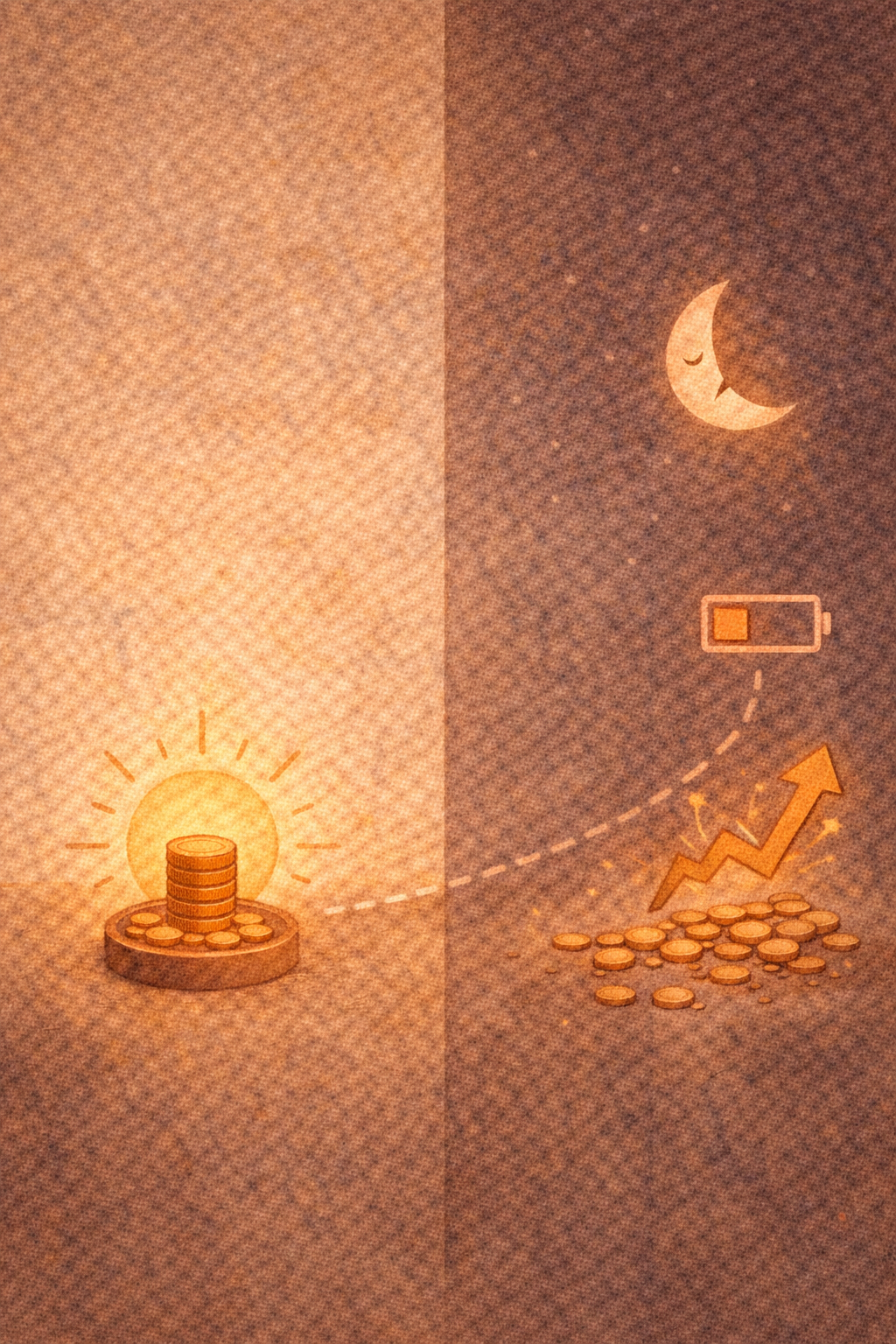
It’s 11pm on a Tuesday. You’ve made a thousand decisions today: what to wear, which email to answer first, whether to take the meeting or reschedule it. Your brain is tired. Your willpower is empty. And right then, you open DoorDash. Thirty minutes later, you’ve spent $47 on food that costs $12 to make at home. This isn’t a character flaw. This is how your brain actually works when it’s exhausted.
Researchers call it ego depletion — every decision drains a finite pool of mental energy that fuels self-control and rational thinking. By evening, that tank is empty. Here’s how to stop making decisions when you’re least equipped to make them.
The evening economy is designed for fatigue
This isn’t accidental. Apps, restaurants, shopping platforms — they’re optimized for the evening user. When you’re tired. When your judgment is impaired. When you’ll accept convenience over cost. A delivery app costs more, takes longer, and provides a worse experience than cooking yourself. But it feels easier at 11pm when you’re exhausted. So they make billions off exhausted decision-makers.
This is why wealthy people have systems. They don’t rely on willpower in the evening. They’ve already decided.
Pre-commitment: decide before you’re tired
The meal prep guardrail. You can’t order DoorDash if you already have dinner made. Spend Sunday prepping three dinners. On the exhausted Tuesday night, you don’t decide whether to order delivery — the meal already exists. That’s not willpower. That’s removing the decision.
The financial boundary. Set a rule in your morning clarity: “No purchases after 8pm.” Not “I’ll try not to.” A rule. A boundary. When the urge strikes at 11pm, you don’t have a debate in your head. The answer is already decided.
The friction layer. Make bad choices harder. Delete the app from your phone. Change your saved payment method so it doesn’t auto-fill. Use a debit card instead of credit for evening spending. Every friction point between impulse and action gives your tired brain a chance to stop.
Friction isn’t punishment — it’s mercy. It’s protecting your future self from your exhausted self. The wealthiest people don’t have more willpower. They have better systems. They’ve externalized the decision. They’ve made the right choice the default choice. That’s the real skill.
Your action step for today
Identify your one 11pm weakness — the thing you always spend money on when you’re tired. Write it down. Then build one guardrail: prep the alternative so it’s easier than the impulse choice, set a boundary rule in the morning, or add friction to the bad choice. Don’t rely on future-you to make good decisions. Future-you will be tired. Present-you decides now.
Keep Building
The Focus-Finance Connection: How Your Brain Sabotages Your Wallet · How to Automate Your Finances (Set It and Forget It) · Lifestyle Inflation: The Silent Wealth Killer
Danziger, S., Levav, J. & Avnaim-Pesso, L., “Extraneous Factors in Judicial Decisions,” PNAS (2011) · Bureau of Labor Statistics, Consumer Expenditure Survey (2024) · National Endowment for Financial Education, Consumer Financial Capability Study (2023)
Leave a Reply